Scenario
Your friend gives you a call and asks what you have going on today – you tell her nothing, although you really had plans to spend the day reading a book. But you feel a little sorry for your friend – she just had a major eye operation and isn´t seeing yet, and so you ask her what´s up. She tells you there´s an art show in town and she really wants to go to it, explaining that even though she can´t see, she has heard a lot about this artist, has seen some of his stuff online, and can´t miss this opportunity to go to the show and be that close to his stuff. Besides, she says, you can be her eyes. Your friend is not a Christian, and you see this as an opportunity to be Jesus to her, so you decide to go.
The art show features the artist David Miles, a modern, graphic designer. You enter the show and are impressed with his work. “That´s strange,” you say, as you see his piece entitled The Woman Clothed With the Sun.
“What´s it look like?” she asks.
“Weird. Very weird,” you reply.
“I mean describe it to me! Please?”
Task one
Look at the piece The Woman Clothed With the Sun. Open up a Word document, and take five minutes to describe this piece. Remember your friend has never seen it, has never read the Bible, and is not a Christian.
When you have completed the task, read on…
What you have just done is what many of the prophets of God had to do: describe what they´d seen in visions and dreams to people who had absolutely no reference point for what they´d seen. The prophets had to carefully record what they saw without understanding what it meant, sometimes without knowing what they were seeing.
Visions of the future fit into a larger body of work often referred to as Apocalpytic literature. The purpose of this lesson is to introduce you to various devices used in this genre. First, however, let´s define apocalyptic literature. Read the paragraphs related to “What is Apocalyptic Literature” on this page. Now open a word document and write a one sentence definition of apocalyptic literature.
Now let´s revisit your description of David Miles´ artwork. Would this qualify as apocalyptic? Why or why not? Use your definition to explain your answer in your word document.
As stated before, prophets often had to describe what they´d seen in visions and dreams to people who had absolutely no reference point for what they´d seen. The prophets had to carefully record what they saw without understanding what it meant, sometimes without knowing what they were seeing.
This is important to understand when reading apocalyptic literature: men living before or shortly after the time of Christ had to describe things that would take place in the future. God may have explained to the prophet or visionary what the vision meant, just as you may know about the dragon and the woman from Revelation 12. But the people to whom the prophets spoke had no idea what the prophets were speaking of, just as your friend would have no idea what the beast, Revelation, the dragon, etc. are.
Task two
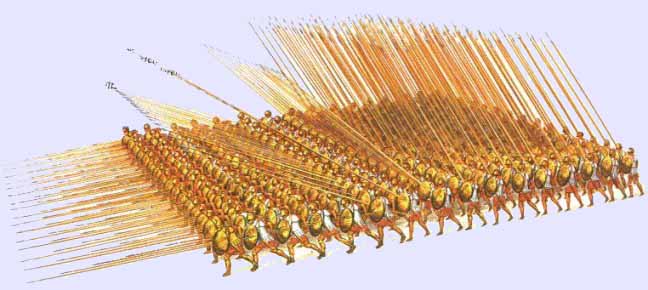
Imagine that one day you´re sitting at your desk in school, when all of a sudden God speaks into your mind, “I have something to show you.” Then, the picture at your left flashes in front of your eyes. For a full minute the image burns into your brain. Then the voice says, “Now go and tell the people what you have seen.” What do you tell them?
In your Word document, take a minute or two to describe the object. Then explain to the people what it is.
Now find out what it really is.
How close were you?
Sometimes the prophets of God were shown things that neither they nor the people they were to tell would understand – all they could do was describe what they saw. Much of apocalyptic literature is written this way, and can only be understood in hindsight. For example, read Revelation chapter 9:1-10. Is the locust plague literal, or is it John (the author of Revelation) describing something futuristic in terms of what makes sense to him? What else could the locusts be? Write your thoughts in the Word document.
Task Three
Sometimes apocalyptic is literal, describing events exactly as they would happen. Check out Ezekiel 9:16. This is something God is literally going to do. Sometimes it´s much more figurative, using metaphor and simile. Brush up on what metaphor and simile are. Then read this example: Ezekiel 9:2-3. Is this a simile or a metaphor? Write your answer in your word document.
Sometimes the vision would involve symbolism, where what God showed the prophet was representative of what he would do. Read this example. Do you think God means this, or this? Or could it mean something else? Write your answer in the word document.
It´s important that we understand whether a passage is using literal or figurative language. Sometimes it´s clear, sometimes not. Sometimes the figures of speech make no sense to us in modern times, but would have made perfect sense in the time for which they was written. For a humorous look at some literal interpretations of figurative language, check out this song, which references portions of this passage of the Bible.
Now copy the references below into your word document. As you read each one, write in your word document whether this is a simile or metaphor. Further note if the passage utilizes any symbolism.
Ezekiel 38:9
Revelation 2:27
Revelation 6:12-14
Revelation 8:6-12
Daniel 7:7-8
Now that you are aware of some of the contexts and literary devices found in apocalyptic literature, you´re ready to practice understanding it! Don´t worry, we´ll save that for next time.
For Fun
This is how one creative person depicted the vision Ezekiel describes in chapter 1 of his book. Cool, huh?
For more images from the apocalyptic literature, you can check out Biblical Art.

Subscribe to:
Post Comments (Atom)

1 comment:
Jeff, great Quickquest! It is amazing how much thinking this would require of the students. THe only thing I can say is it may take longer than two one hour class periods! Definitely not a bad thing though!
Post a Comment